The History of the Advent Calendar (and Why Ours Starts on the First Sunday of Advent)
Most Advent calendars you'll see in stores this year have 24 little doors and start on December 1. But Advent doesn't actually start on December 1. This year it begins on Sunday, November 29, so a December 1 calendar skips the First Sunday of Advent and the Feast of St. Andrew before you even open the first door.
Here's how the Advent calendar got started, and why we made ours to follow the Church's calendar instead.
When Does Advent Start?
Advent is the season of waiting and preparing for Christmas, and it's also the start of the Church's new liturgical year. The word comes from the Latin adventus, which means “coming.”
Advent always begins on the fourth Sunday before Christmas, so the start date moves around from year to year, anywhere from November 27 to December 3. That means the length of the season changes every year too. Depending on what day of the week Christmas lands on, Advent can be as short as 22 days or as long as 28.
In 2026, Advent runs from Sunday, November 29 through Christmas Eve, Thursday, December 24. That's 26 days.
Where Did Advent Calendars Come From?
Like the Advent wreath, the Advent calendar got its start in Germany in the 1800s. Protestant families there came up with simple ways to help their kids count down to Christmas. Some drew chalk lines on a door and rubbed one out each day. Others lit a candle every day or hung up a new holy picture each morning.
The First Printed Advent Calendar
When Gerhard Lang was a little boy in southern Germany in the 1880s, his mom made him a homemade countdown every December: a piece of cardboard with 24 tiny cookies stuck to it, so he could eat one each day. (They were Wibele, little meringue-like cookies from the region.)
Gerhard never forgot it. He grew up to work in printing and publishing in Munich, and in 1908 he put out a printed version of his mom's idea called Im Lande des Christkinds, or “In the Land of the Christ Child.” It came with 24 little pictures that children cut out and glued onto the calendar, one for each day. Historians generally credit Lang with the first printed Advent calendar, though a few others popped up in Germany around the same time.
Lang kept making new designs for years, and in the 1920s his company started making calendars with little doors that open to reveal a picture. That's the Advent calendar most of us grew up with.
A Comeback After the War
Advent calendar printing in Germany came to a stop during World War II, when paper and cardboard were rationed, and Lang's business closed around the start of the war. Afterward, a man named Richard Sellmer in Stuttgart got permission from the American occupation authorities to start printing them again. His permit was dated December 6, 1945, which happens to be the Feast of St. Nicholas. His first calendar, “The Little Town,” came out in 1946.
How Advent Calendars Came to America
In the 1950s, American newspapers ran a photo of President Eisenhower's young grandchildren with a German Advent calendar, and it helped make them popular here. Chocolate calendars came along in the late 1950s, and these days you can find an Advent calendar filled with just about anything.
Why Most Advent Calendars Start on December 1
Even those early chalk lines usually ran from December 1 to Christmas Eve. A December 1 start is the same every single year, so a company can design one calendar and sell it again and again. That's practical, but it means most Advent calendars are really countdowns to Christmas, not calendars of Advent.
So some years a December 1 calendar starts before Advent has even begun. In 2023, Advent didn't start until December 3. Other years, like this one, it starts a couple of days late and misses the beginning of the season.
What Makes Our Liturgical Advent Calendar Different
When we designed our Liturgical Advent Calendar, we wanted it to follow the same calendar we're praying with at Mass. Because the dates change every year, we make a brand-new one each year.
It starts on the First Sunday of Advent
The 2026 calendar begins on Sunday, November 29 and goes all the way to the Nativity of Jesus. That's 26 days this year, not 24, so you get every day of the season, including the First Sunday and November 30, the Feast of St. Andrew.
It follows the feast days of Advent
Many of the stickers match a feast day that falls during Advent, so your kids get to know saints and feasts like St. Nicholas and Our Lady of Guadalupe as they go. Each day also has a small activity suggestion, which makes it easy to do a little something together.
It builds a scene day by day
Instead of opening doors, kids add stickers to one big illustrated scene each day, and the room slowly gets ready for Christmas right along with your home. It's best for ages 4 and up, but grown-ups love it too.
If your calendar arrives after Advent has already started, don't stress. Just catch up on the days you missed. Kids usually love getting to do a few at once.
It pairs with our free Advent guide, which follows the same feast days and has simple ideas for each one.

SHOP THE LITURGICAL ADVENT CALENDAR
More for Advent
Mary on the Mantel®
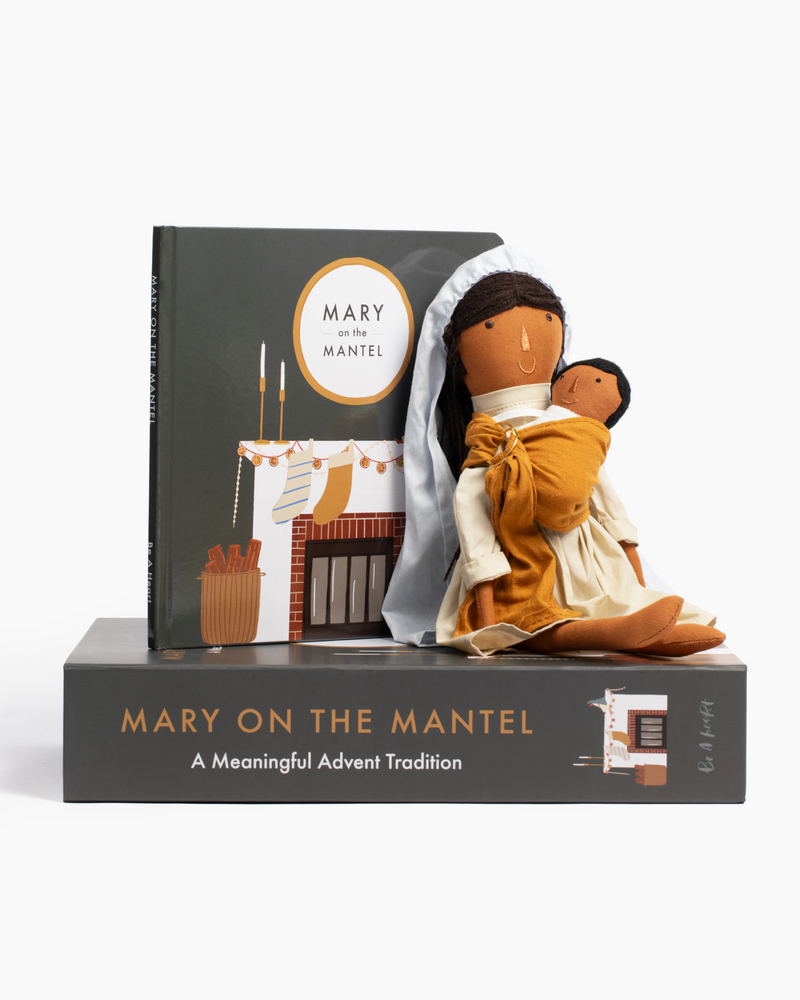
Our Advent tradition for kids: journey with pregnant Mary to Bethlehem and do acts of kindness along the way.
Modern Ceramic Advent Wreath

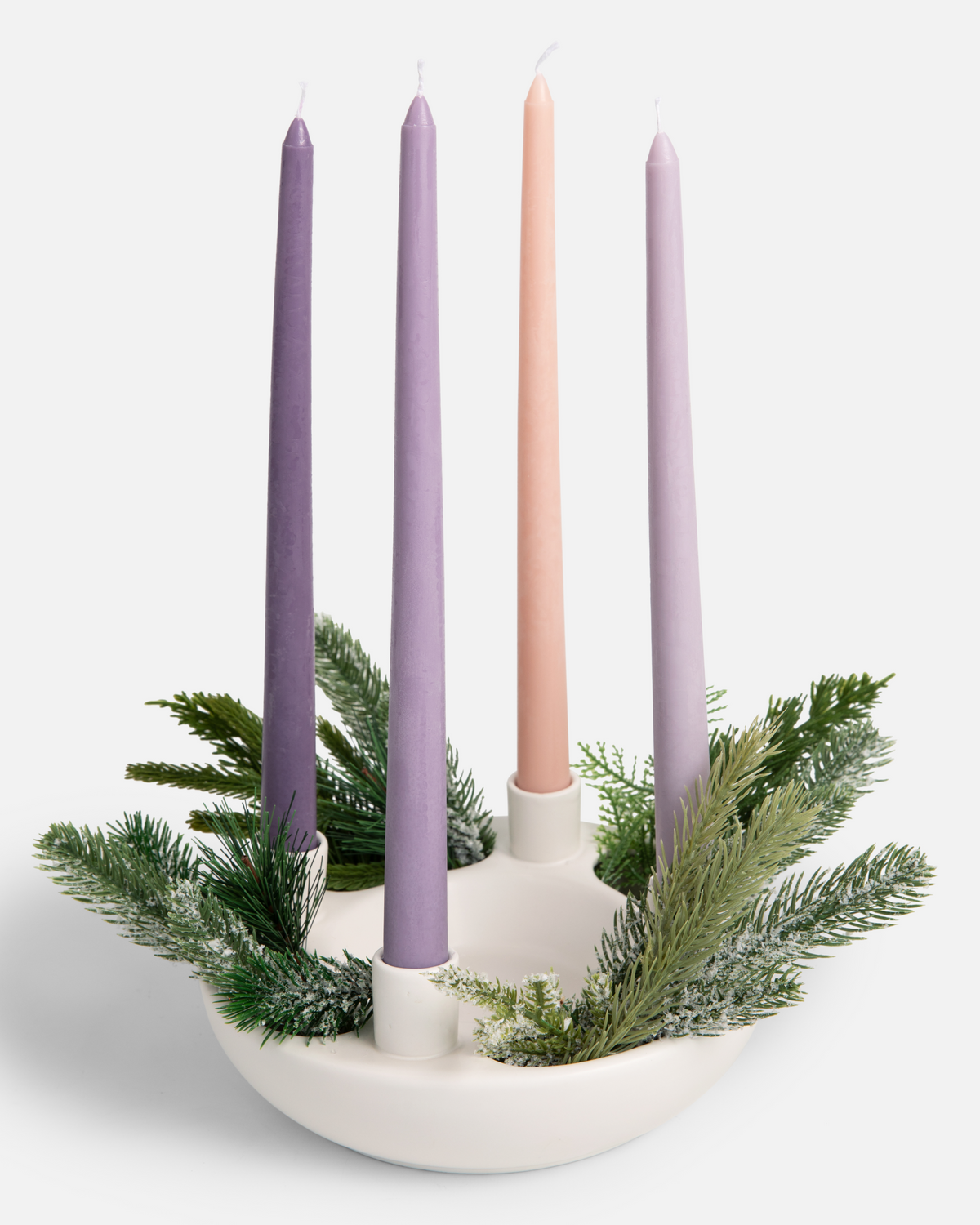
Light one more candle each Sunday while you fill in your calendar. Here's the story behind the Advent wreath and what each candle means.
Mary's Way of Advent

A devotional for the grown-ups by Laura Kelly Fanucci that walks with Mary through Advent, with weekly reflections and simple prayer practices that fit into busy days.
When Advent is over, keep going all year with our 2027 Liturgical Calendar. You'll find everything for the season in our Advent collection, and shipping is free in the continental US on orders over $75.
Frequently Asked Questions
When does Advent start in 2026?
Sunday, November 29. It ends on Christmas Eve, Thursday, December 24.
How many days are in Advent 2026?
26 days, counting from the First Sunday of Advent through Christmas Eve.
Why doesn't Advent start on December 1?
Advent begins on the fourth Sunday before Christmas, so the date changes every year. It can fall anywhere from November 27 to December 3.
Who invented the Advent calendar?
German families were counting down to Christmas with chalk marks and candles in the 1800s. Gerhard Lang, who worked in printing and publishing in Munich, is usually credited with the first printed Advent calendar in 1908. It was inspired by the one his mother made him as a boy.
What is a liturgical Advent calendar?
A liturgical Advent calendar follows the Church's calendar instead of just the date. It starts on the First Sunday of Advent and marks the feast days that fall during the season.
What if my Advent calendar arrives after Advent starts?
Just catch up! Add the stickers for the days you missed and keep going from there.